


A Brief History of
The Memorial Church of
THE PRINCE OF PEACE
Gettysburg, Pennsylvania
The first Episcopal Church in Adams County, Christ Church in York Springs, came about as the result of the gathering of a small group of Anglicans for worship services starting in 1747. At the time, "Anglicans" were members of the Church of England, the Church of Ireland, and Scottish Episcopalians. Now the Anglican Communion has 42 member churches and roughly 85 million members, including the Episcopal Church.
Christ Church York Springs was officially planned in 1829 and consecrated in 1836. By 1870 its membership had dwindled to almost none and five years later, pastoral care of the tiny congregation was assigned to Prince of Peace. In 2022 Christ Church was deconsecrated and the building and grounds were transferred to Holy Trinity Lutheran Church to become part of their complex.
Episcopal services in Gettysburg had meanwhile been conducted at the Court House beginning in 1867. Soon thereafter the congregation moved to an abandoned Methodist Church on East Middle Street (which later became the local Hall of the Grand Army of the Republic).
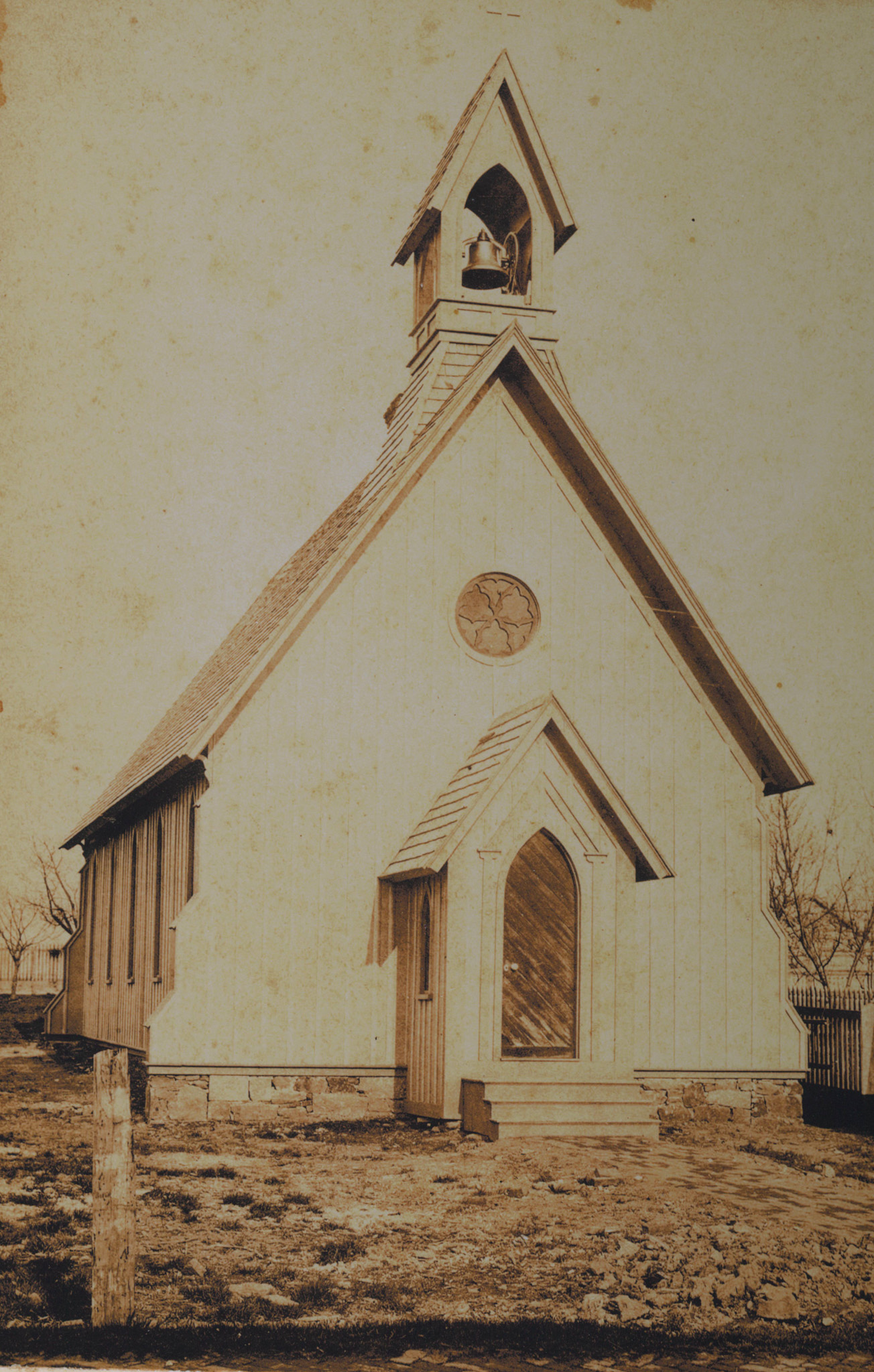
The Prince of Peace congregation received a permanent mission priest in 1876 and the work of growing a church continued. In December of that year, the congregation occupied a new small wooden church on Stevens Street.
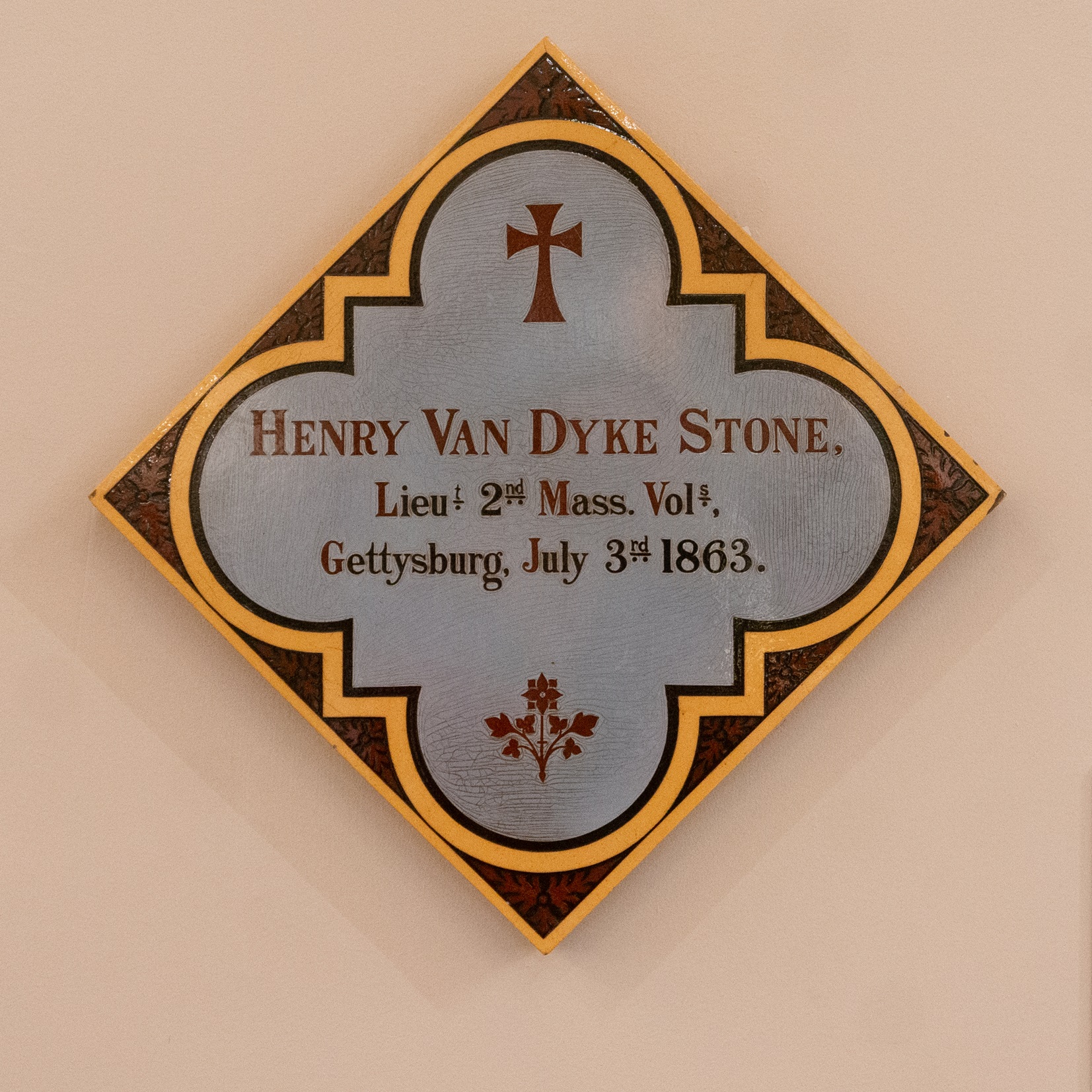
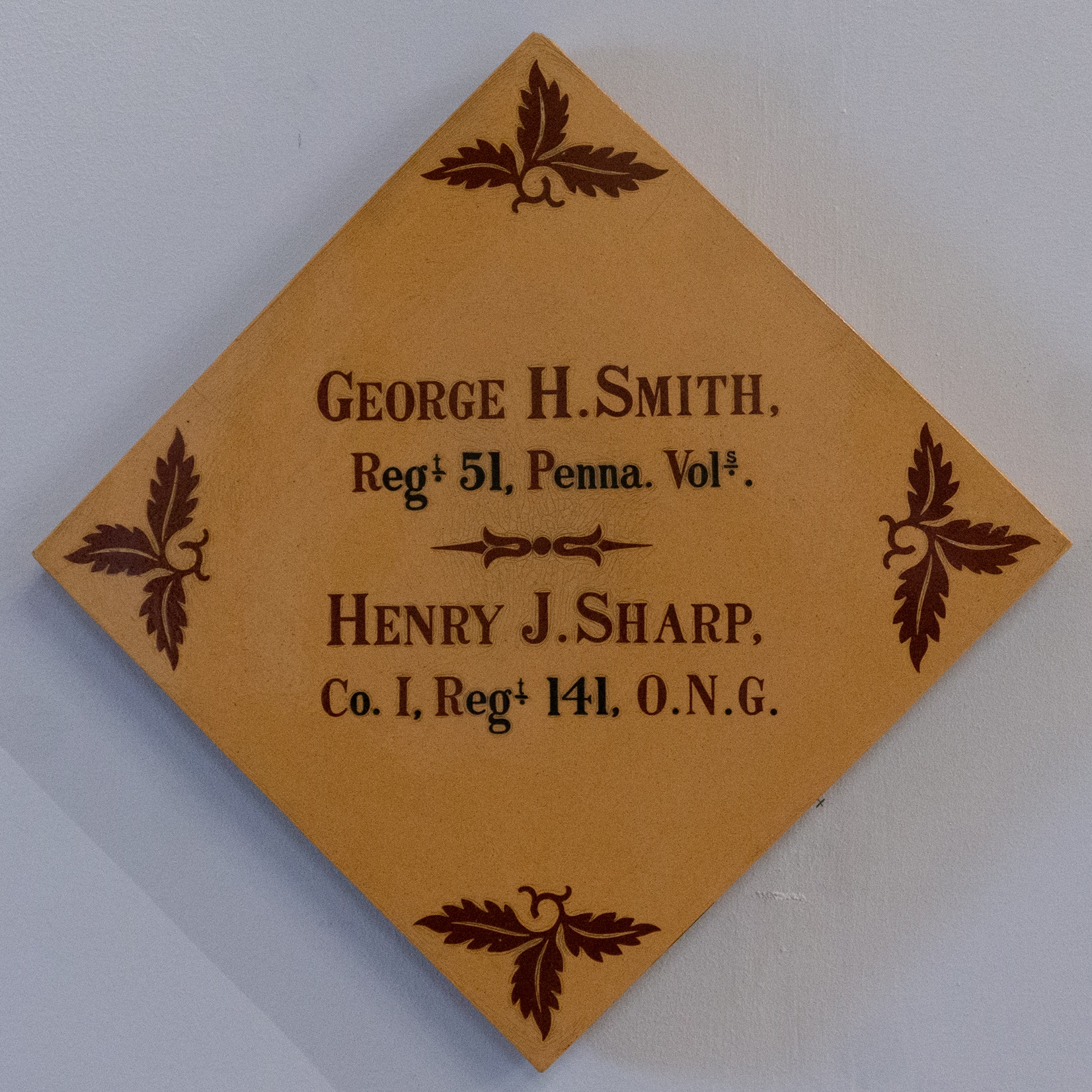
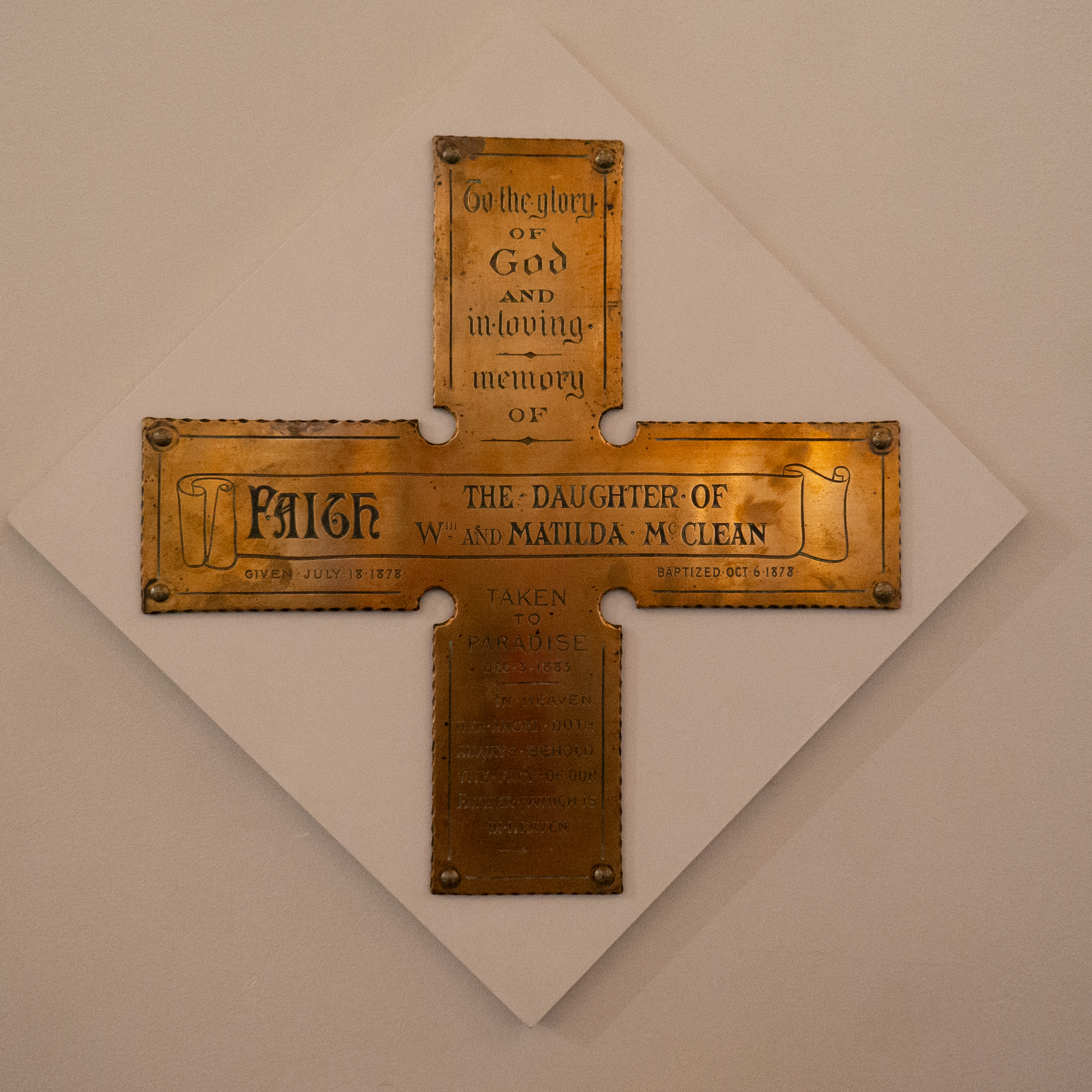
For the twenty-fifth anniversary of the Battle of Gettysburg, in 1888, the Official Program of the Army of the Potomac and the Army of Northern Virginia publicized a project for a church "to be named the National Memorial Church of the Prince of Peace. That Church upon whose loving unity the terrible events of the Civil War made no mark, is surely the one above all others to embrace the memorials of both sides in rearing a lasting Temple to the Prince of Peace." This occasion, July 2, 1888, was the laying of the cornerstone of the new building at the corners of Baltimore and West High Streets.
Some twelve years later, in July of 1900, with 13 families, 33 baptized persons, 22 communicants, and 15 members in Sunday School, the Memorial Church of the Prince of Peace conducted its first services of worship in the new building. Improvements, including a complete rewiring, were made in the mid-1950s.
In January 1970, two memorable events marked the history of the Church. For the first time since its founding, the congregation became a self-supporting parish. Later that month a disastrous fire of unknown origin gutted the church building. However, the tower room, which houses the original memorial stones and tablets, was not touched by the fire. Also, a memorial stained glass window depicting Christ with the Children was rescued from the fire, stored for twenty years, and was placed in one of the original window openings in the western wall of the building. Reconstruction was completed in the spring of 1971.
In 1991 Prince of Peace began a soup kitchen. In 1995 this ministry became officially incorporated as The Gettysburg Community Soup Kitchen, which now serves more than 10,000 meals annually.
In 2000 the parish completed a renovation and expansion of its facilities. As part of that project, the soup kitchen was enlarged to accommodate the growing numbers of guests who came to be fed. In addition, classroom and meeting space, a choir rehearsal room, a small prayer chapel and peace garden were added.
By 2002, our parish had grown to 425 members and received the special designation of "Jubilee Center" from the national Episcopal Church for our ministries of justice, service, and compassion in our community. During the second decade of the twenty-first century the parish formed a Social Justice Response team, which has brought to the attention of the parish various social action issues, such as hunger concerns and initiatives, and climate change. The group has relied on information promulgated by the National Church.
The former Saint Francis Rectory, located next to Prince of Peace on High Street, was purchased in 2010. Renamed "Peace House", this building houses an even larger Gettysburg Community Soup Kitchen’.
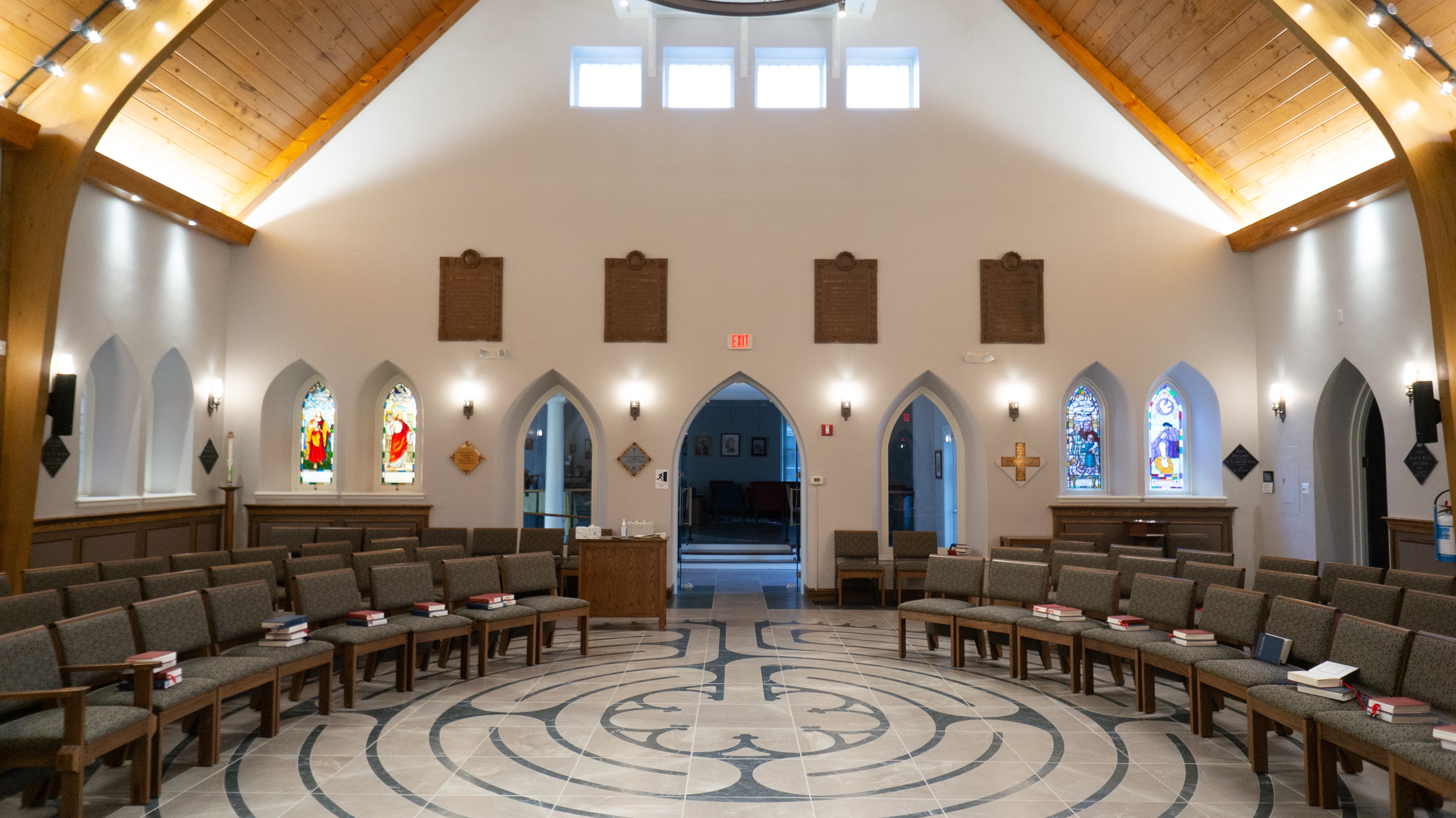
As part of the 125th anniversary recognition of the laying of the cornerstone of the building, it was determined that several of the original memorial stones had never been created and installed. Those, along with a few which were damaged during the fire of 1970, were created as black granite tiles, now hung around the walls of the church nave.
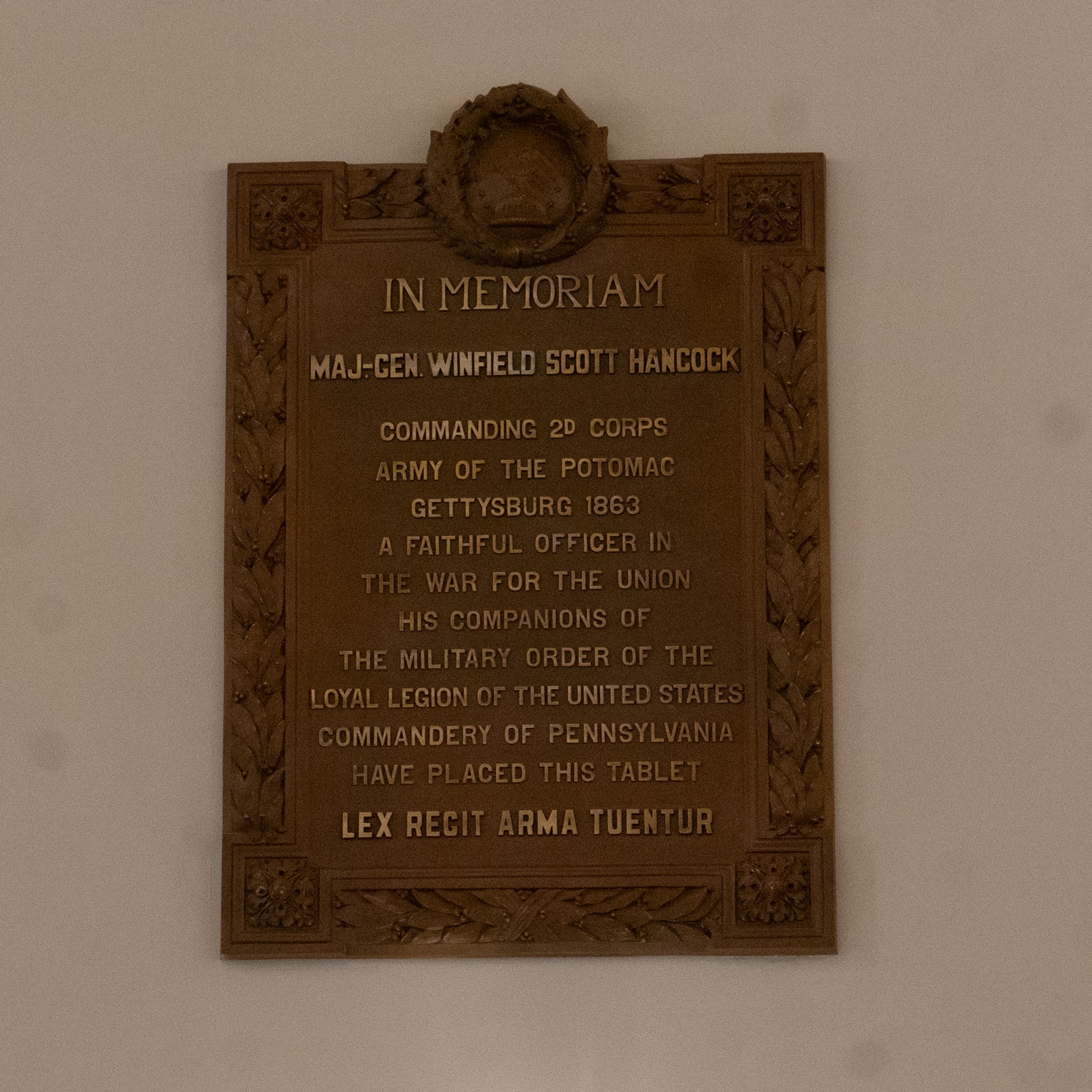
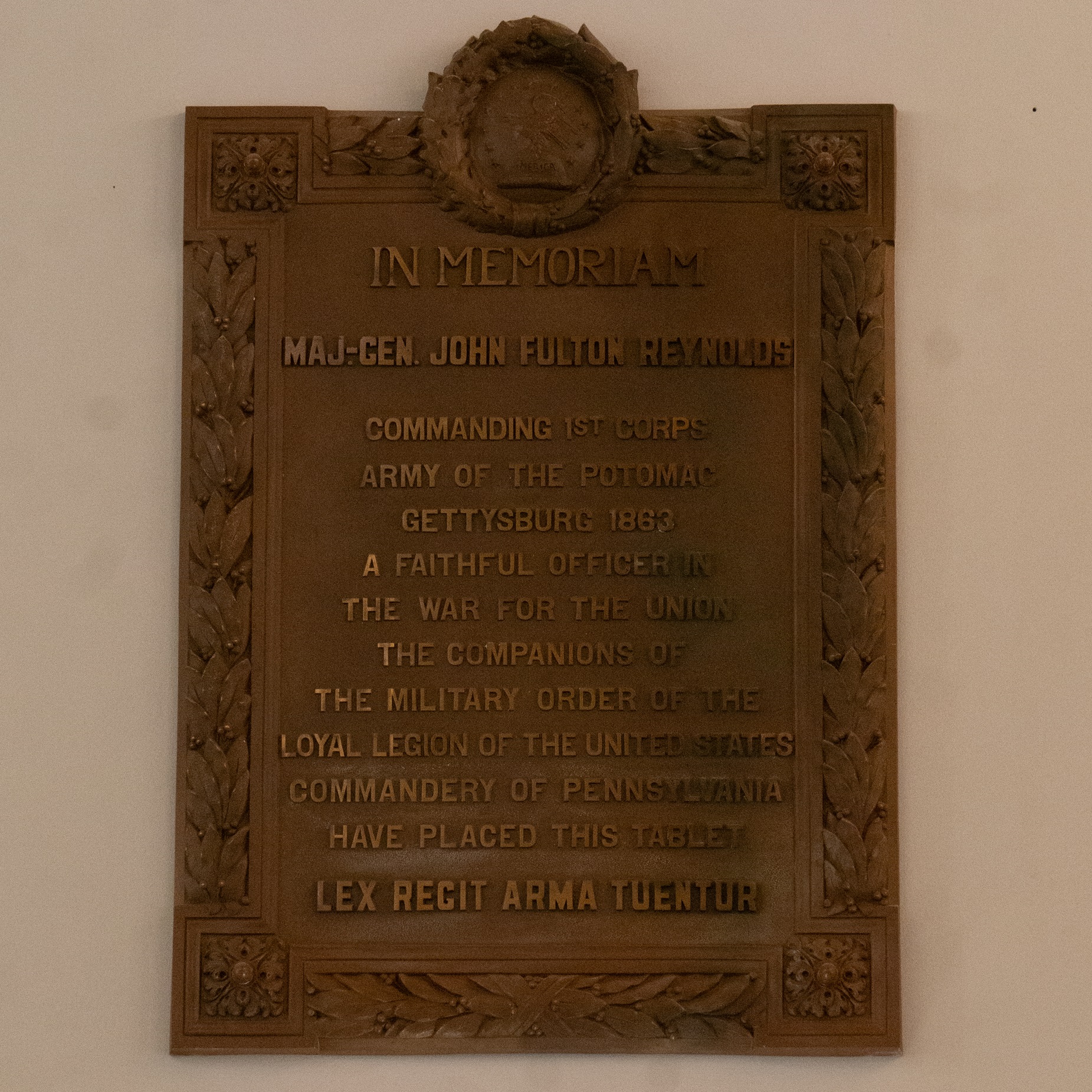
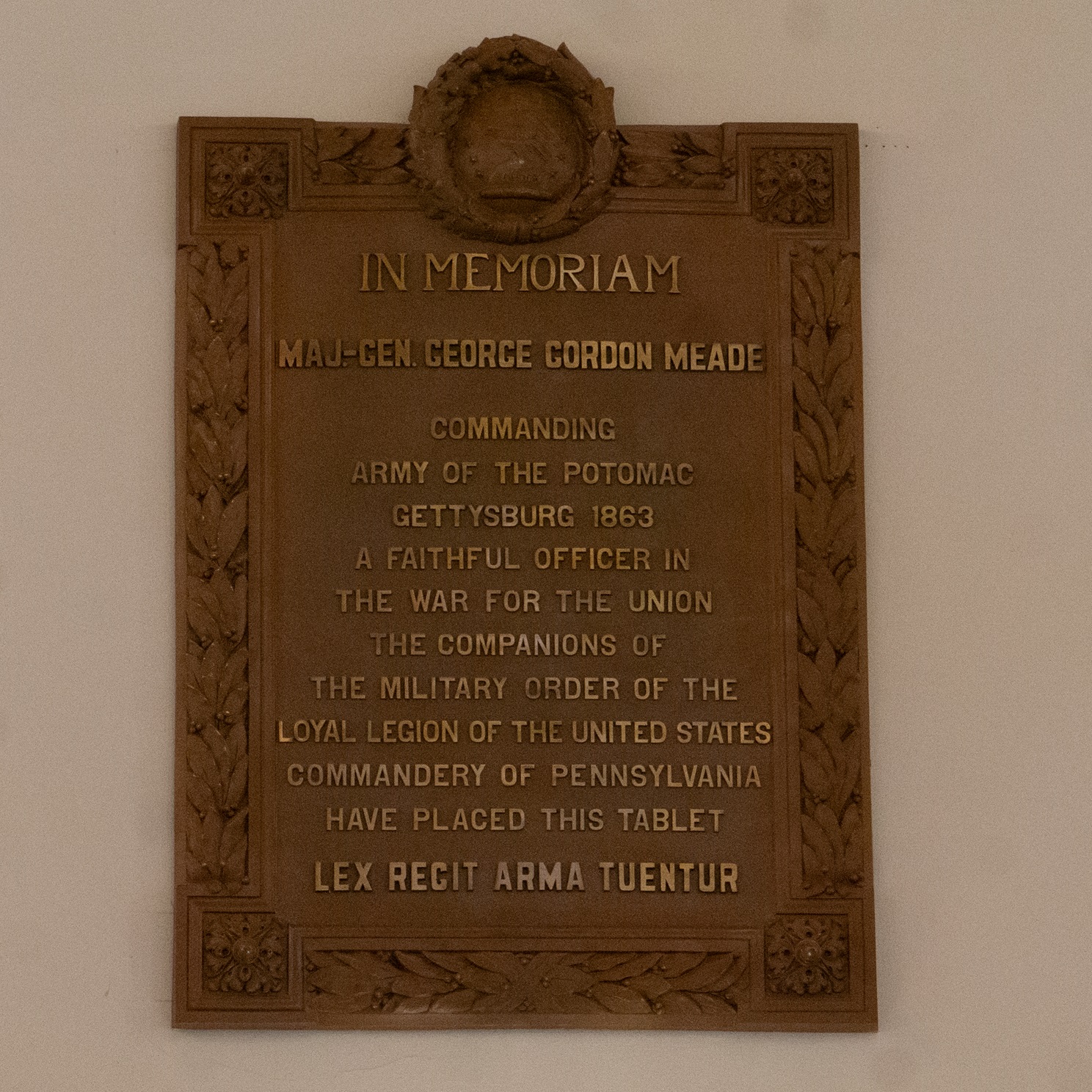
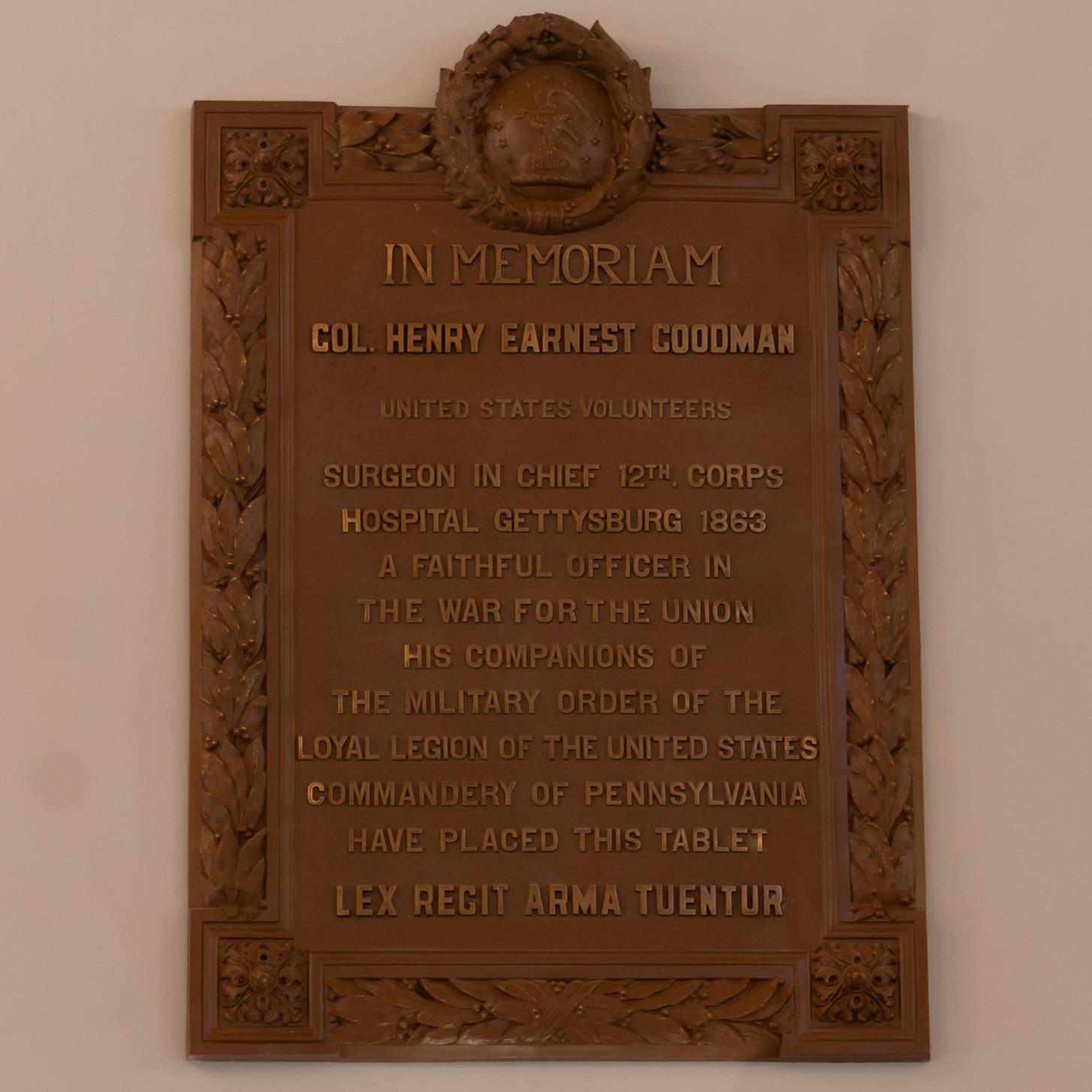
In late 2021 and early 2022 discussions were held on changing the worship space of the nave, which was showing much wear and tear after fifty years. Immediately after Easter Sunday, 2022, construction began. The altar was moved down into the Sunday School room in the undercroft, and all services were held there during the construction period. The old pews were removed, and the backs of the pews were salvaged, the wood repurposed and used for much of the woodwork surrounding the nave. The organ chest, previously at the back of the old chancel apse, was moved forward and additional space behind it is now known as the “Upper Sacristy”, where the clergy vest for services, and the altar guild has overflow storage space. Instead of an elevated altar, the altar is now on the floor of the nave and the pews were replaced with chairs, which allows for multiple seating configurations in the space. Also, four large bronze plaques, donated by the Military Order of the Loyal Legion of the United States (MOLLUS) were installed on the west wall of the nave, where they were originally located before the fire. The bulk of the work was completed by mid-September 2022, and on October 9, 2022, our bishop, The Right Rev. Dr. Audrey Scanlan made her formal visitation to the parish. She consecrated our new baptismal font, which was immediately used for the baptism of our then two-week old youngest member, as well as our new altar.
Guided by the Holy Spirit, we continue to celebrate and share the love of Jesus Christ in our parish and community seeking to grow in grace, service, and numbers as we proclaim the good news of God in Christ. Come join us on our journey!
Inspired by our past
to serve the present
while building for the future
136 years: 1888 to 2024